Atom Sizes
Atom Sizes. 119 rijen · sizes of atoms. By size, i assume you mean volume, not mass. The covalent radius of a chlorine atom, for example, is half the distance between the nuclei of the atoms in a cl 2 molecule. Some of the answers below discuss mass. If all atoms are in their ground state then any two ato.

Tady My Latest Formulation Atom Sized Minerals Neomvisions
The diameter of an atom ranges from about 0.1 to 0.5 nanometers (1 … Also, since atomic radii can be very crudely expected to go like some rapidly increasing function of the principal quantum number of the valence shell (the significant variation along a period is evidence for the crudeness), the relative sizes down a group show the largest variation at the top of the group. The size of the atom depends on the size of the outermost orbitals on that atom that have an electron or two in them. If all atoms are in their ground state then any two ato. Moving across the periodic table as the atomic number increases along each row of the periodic table, the additional electrons go into the same outermost principal energy level (also known as valence level).Also, since atomic radii can be very crudely expected to go like some rapidly increasing function of the principal quantum number of the valence shell (the significant variation along a period is evidence for the crudeness), the relative sizes down a group show the largest variation at the top of the group.
Atomic radius is one of the periodic properties of the elements. The size of an atom can be estimated by measuring the distance between adjacent atoms in a covalent compound. Some of the answers below discuss mass. 119 rijen · sizes of atoms. The covalent radii of the main group elements are given in the figure below. The covalent radius of a chlorine atom, for example, is half the distance between the nuclei of the atoms in a cl 2 molecule.

Moving across the periodic table as the atomic number increases along each row of the periodic table, the additional electrons go into the same outermost principal energy level (also known as valence level). The diameter of an atom ranges from about 0.1 to 0.5 nanometers (1 … Also, since atomic radii can be very crudely expected to go like some rapidly increasing function of the principal quantum number of the valence shell (the significant variation along a period is evidence for the crudeness), the relative sizes down a group show the largest variation at the top of the group. Some of the answers below discuss mass. The covalent radius of a chlorine atom, for example, is half the distance between the nuclei of the atoms in a cl 2 molecule. Moving across the periodic table as the atomic number increases along each row of the periodic table, the additional electrons go into the same outermost principal energy level (also known as valence level). If all atoms are in their ground state then any two ato. The size of the atom depends on the size of the outermost orbitals on that atom that have an electron or two in them.. Moving across the periodic table as the atomic number increases along each row of the periodic table, the additional electrons go into the same outermost principal energy level (also known as valence level).

If you look at the table, you can see there is a clear trend in atomic radius.. By size, i assume you mean volume, not mass. Atomic sizes (radii) the atomic size trends across a period and down a group ('family' in this figure) of the periodic table are shown in this figure.. The covalent radii of the main group elements are given in the figure below.

The diameter of an atom ranges from about 0.1 to 0.5 nanometers (1 …. If all atoms are in their ground state then any two ato. The size of the atom depends on the size of the outermost orbitals on that atom that have an electron or two in them. By size, i assume you mean volume, not mass... The covalent radii of the main group elements are given in the figure below.

119 rijen · sizes of atoms. The size of an atom can be estimated by measuring the distance between adjacent atoms in a covalent compound. If you look at the table, you can see there is a clear trend in atomic radius. The diameter of an atom ranges from about 0.1 to 0.5 nanometers (1 … Atomic sizes (radii) the atomic size trends across a period and down a group ('family' in this figure) of the periodic table are shown in this figure. 119 rijen · sizes of atoms. The covalent radius of a chlorine atom, for example, is half the distance between the nuclei of the atoms in a cl 2 molecule. Also, since atomic radii can be very crudely expected to go like some rapidly increasing function of the principal quantum number of the valence shell (the significant variation along a period is evidence for the crudeness), the relative sizes down a group show the largest variation at the top of the group. By size, i assume you mean volume, not mass. The size of the atom depends on the size of the outermost orbitals on that atom that have an electron or two in them. If you look at the table, you can see there is a clear trend in atomic radius.

The diameter of an atom ranges from about 0.1 to 0.5 nanometers (1 … By size, i assume you mean volume, not mass. If all atoms are in their ground state then any two ato. The size of neutral atoms is drawn from the atomic radius, which is half the distance between two atoms that are just touching each other. The diameter of an atom ranges from about 0.1 to 0.5 nanometers (1 … The covalent radius of a chlorine atom, for example, is half the distance between the nuclei of the atoms in a cl 2 molecule. The size of the atom depends on the size of the outermost orbitals on that atom that have an electron or two in them. The size of an atom can be estimated by measuring the distance between adjacent atoms in a covalent compound. Some of the answers below discuss mass. Atomic sizes (radii) the atomic size trends across a period and down a group ('family' in this figure) of the periodic table are shown in this figure.. Some of the answers below discuss mass.

If you look at the table, you can see there is a clear trend in atomic radius. Atomic radius is one of the periodic properties of the elements. The size of the atom depends on the size of the outermost orbitals on that atom that have an electron or two in them. The diameter of an atom ranges from about 0.1 to 0.5 nanometers (1 … Also, since atomic radii can be very crudely expected to go like some rapidly increasing function of the principal quantum number of the valence shell (the significant variation along a period is evidence for the crudeness), the relative sizes down a group show the largest variation at the top of the group. The covalent radii of the main group elements are given in the figure below. Some of the answers below discuss mass.. The size of an atom can be estimated by measuring the distance between adjacent atoms in a covalent compound.

The size of an atom can be estimated by measuring the distance between adjacent atoms in a covalent compound. Atomic sizes (radii) the atomic size trends across a period and down a group ('family' in this figure) of the periodic table are shown in this figure. The covalent radius of a chlorine atom, for example, is half the distance between the nuclei of the atoms in a cl 2 molecule. The size of neutral atoms is drawn from the atomic radius, which is half the distance between two atoms that are just touching each other. Atomic radius is one of the periodic properties of the elements. The size of an atom can be estimated by measuring the distance between adjacent atoms in a covalent compound. The size of the atom depends on the size of the outermost orbitals on that atom that have an electron or two in them. Some of the answers below discuss mass. Moving across the periodic table as the atomic number increases along each row of the periodic table, the additional electrons go into the same outermost principal energy level (also known as valence level). If you look at the table, you can see there is a clear trend in atomic radius. The diameter of an atom ranges from about 0.1 to 0.5 nanometers (1 … Also, since atomic radii can be very crudely expected to go like some rapidly increasing function of the principal quantum number of the valence shell (the significant variation along a period is evidence for the crudeness), the relative sizes down a group show the largest variation at the top of the group.

The diameter of an atom ranges from about 0.1 to 0.5 nanometers (1 … Atomic sizes (radii) the atomic size trends across a period and down a group ('family' in this figure) of the periodic table are shown in this figure. By size, i assume you mean volume, not mass. 119 rijen · sizes of atoms. If all atoms are in their ground state then any two ato. The size of neutral atoms is drawn from the atomic radius, which is half the distance between two atoms that are just touching each other. Some of the answers below discuss mass. The size of an atom can be estimated by measuring the distance between adjacent atoms in a covalent compound. Moving across the periodic table as the atomic number increases along each row of the periodic table, the additional electrons go into the same outermost principal energy level (also known as valence level).. The size of neutral atoms is drawn from the atomic radius, which is half the distance between two atoms that are just touching each other.

Some of the answers below discuss mass... Atomic sizes (radii) the atomic size trends across a period and down a group ('family' in this figure) of the periodic table are shown in this figure. If you look at the table, you can see there is a clear trend in atomic radius. By size, i assume you mean volume, not mass. Atomic radius is one of the periodic properties of the elements. The covalent radii of the main group elements are given in the figure below. Some of the answers below discuss mass. If all atoms are in their ground state then any two ato. The size of the atom depends on the size of the outermost orbitals on that atom that have an electron or two in them. The covalent radius of a chlorine atom, for example, is half the distance between the nuclei of the atoms in a cl 2 molecule.

The size of the atom depends on the size of the outermost orbitals on that atom that have an electron or two in them. Also, since atomic radii can be very crudely expected to go like some rapidly increasing function of the principal quantum number of the valence shell (the significant variation along a period is evidence for the crudeness), the relative sizes down a group show the largest variation at the top of the group. If all atoms are in their ground state then any two ato. 119 rijen · sizes of atoms. The diameter of an atom ranges from about 0.1 to 0.5 nanometers (1 … If you look at the table, you can see there is a clear trend in atomic radius. Atomic radius is one of the periodic properties of the elements.
By size, i assume you mean volume, not mass. Atomic sizes (radii) the atomic size trends across a period and down a group ('family' in this figure) of the periodic table are shown in this figure. Atomic radius is one of the periodic properties of the elements. The size of an atom can be estimated by measuring the distance between adjacent atoms in a covalent compound.. Also, since atomic radii can be very crudely expected to go like some rapidly increasing function of the principal quantum number of the valence shell (the significant variation along a period is evidence for the crudeness), the relative sizes down a group show the largest variation at the top of the group.

Some of the answers below discuss mass... Atomic radius is one of the periodic properties of the elements. The size of neutral atoms is drawn from the atomic radius, which is half the distance between two atoms that are just touching each other. The diameter of an atom ranges from about 0.1 to 0.5 nanometers (1 … The covalent radius of a chlorine atom, for example, is half the distance between the nuclei of the atoms in a cl 2 molecule.

Moving across the periodic table as the atomic number increases along each row of the periodic table, the additional electrons go into the same outermost principal energy level (also known as valence level). If all atoms are in their ground state then any two ato.. By size, i assume you mean volume, not mass.

If all atoms are in their ground state then any two ato.. The covalent radius of a chlorine atom, for example, is half the distance between the nuclei of the atoms in a cl 2 molecule. If you look at the table, you can see there is a clear trend in atomic radius. Atomic radius is one of the periodic properties of the elements. Moving across the periodic table as the atomic number increases along each row of the periodic table, the additional electrons go into the same outermost principal energy level (also known as valence level). Some of the answers below discuss mass. The size of neutral atoms is drawn from the atomic radius, which is half the distance between two atoms that are just touching each other. If all atoms are in their ground state then any two ato. The covalent radius of a chlorine atom, for example, is half the distance between the nuclei of the atoms in a cl 2 molecule.

Moving across the periodic table as the atomic number increases along each row of the periodic table, the additional electrons go into the same outermost principal energy level (also known as valence level)... If you look at the table, you can see there is a clear trend in atomic radius. The diameter of an atom ranges from about 0.1 to 0.5 nanometers (1 …. Some of the answers below discuss mass.

119 rijen · sizes of atoms. If all atoms are in their ground state then any two ato. The covalent radii of the main group elements are given in the figure below. The covalent radii of the main group elements are given in the figure below.

The diameter of an atom ranges from about 0.1 to 0.5 nanometers (1 …. Also, since atomic radii can be very crudely expected to go like some rapidly increasing function of the principal quantum number of the valence shell (the significant variation along a period is evidence for the crudeness), the relative sizes down a group show the largest variation at the top of the group. Atomic sizes (radii) the atomic size trends across a period and down a group ('family' in this figure) of the periodic table are shown in this figure. The covalent radii of the main group elements are given in the figure below. The covalent radius of a chlorine atom, for example, is half the distance between the nuclei of the atoms in a cl 2 molecule. If all atoms are in their ground state then any two ato. The diameter of an atom ranges from about 0.1 to 0.5 nanometers (1 … If you look at the table, you can see there is a clear trend in atomic radius. The size of an atom can be estimated by measuring the distance between adjacent atoms in a covalent compound. The diameter of an atom ranges from about 0.1 to 0.5 nanometers (1 …

If all atoms are in their ground state then any two ato. . If all atoms are in their ground state then any two ato.

By size, i assume you mean volume, not mass. The size of neutral atoms is drawn from the atomic radius, which is half the distance between two atoms that are just touching each other. The size of an atom can be estimated by measuring the distance between adjacent atoms in a covalent compound. Moving across the periodic table as the atomic number increases along each row of the periodic table, the additional electrons go into the same outermost principal energy level (also known as valence level).. Also, since atomic radii can be very crudely expected to go like some rapidly increasing function of the principal quantum number of the valence shell (the significant variation along a period is evidence for the crudeness), the relative sizes down a group show the largest variation at the top of the group.
The covalent radius of a chlorine atom, for example, is half the distance between the nuclei of the atoms in a cl 2 molecule. The diameter of an atom ranges from about 0.1 to 0.5 nanometers (1 … The covalent radii of the main group elements are given in the figure below. Atomic sizes (radii) the atomic size trends across a period and down a group ('family' in this figure) of the periodic table are shown in this figure. The size of neutral atoms is drawn from the atomic radius, which is half the distance between two atoms that are just touching each other. Moving across the periodic table as the atomic number increases along each row of the periodic table, the additional electrons go into the same outermost principal energy level (also known as valence level). The size of an atom can be estimated by measuring the distance between adjacent atoms in a covalent compound. If all atoms are in their ground state then any two ato.

Also, since atomic radii can be very crudely expected to go like some rapidly increasing function of the principal quantum number of the valence shell (the significant variation along a period is evidence for the crudeness), the relative sizes down a group show the largest variation at the top of the group. The diameter of an atom ranges from about 0.1 to 0.5 nanometers (1 … If all atoms are in their ground state then any two ato. By size, i assume you mean volume, not mass. The size of an atom can be estimated by measuring the distance between adjacent atoms in a covalent compound. Also, since atomic radii can be very crudely expected to go like some rapidly increasing function of the principal quantum number of the valence shell (the significant variation along a period is evidence for the crudeness), the relative sizes down a group show the largest variation at the top of the group.. Some of the answers below discuss mass.
119 rijen · sizes of atoms. The size of neutral atoms is drawn from the atomic radius, which is half the distance between two atoms that are just touching each other. The covalent radii of the main group elements are given in the figure below. The covalent radius of a chlorine atom, for example, is half the distance between the nuclei of the atoms in a cl 2 molecule. The size of an atom can be estimated by measuring the distance between adjacent atoms in a covalent compound. Atomic radius is one of the periodic properties of the elements. Moving across the periodic table as the atomic number increases along each row of the periodic table, the additional electrons go into the same outermost principal energy level (also known as valence level). Atomic sizes (radii) the atomic size trends across a period and down a group ('family' in this figure) of the periodic table are shown in this figure. 119 rijen · sizes of atoms. If all atoms are in their ground state then any two ato. Some of the answers below discuss mass. The covalent radii of the main group elements are given in the figure below.

Atomic radius is one of the periodic properties of the elements. By size, i assume you mean volume, not mass. Also, since atomic radii can be very crudely expected to go like some rapidly increasing function of the principal quantum number of the valence shell (the significant variation along a period is evidence for the crudeness), the relative sizes down a group show the largest variation at the top of the group. Moving across the periodic table as the atomic number increases along each row of the periodic table, the additional electrons go into the same outermost principal energy level (also known as valence level). The covalent radius of a chlorine atom, for example, is half the distance between the nuclei of the atoms in a cl 2 molecule. The covalent radii of the main group elements are given in the figure below. The covalent radius of a chlorine atom, for example, is half the distance between the nuclei of the atoms in a cl 2 molecule.

The covalent radii of the main group elements are given in the figure below. Atomic radius is one of the periodic properties of the elements. If all atoms are in their ground state then any two ato. Moving across the periodic table as the atomic number increases along each row of the periodic table, the additional electrons go into the same outermost principal energy level (also known as valence level). The covalent radius of a chlorine atom, for example, is half the distance between the nuclei of the atoms in a cl 2 molecule. Some of the answers below discuss mass. The size of an atom can be estimated by measuring the distance between adjacent atoms in a covalent compound. Atomic sizes (radii) the atomic size trends across a period and down a group ('family' in this figure) of the periodic table are shown in this figure. The size of neutral atoms is drawn from the atomic radius, which is half the distance between two atoms that are just touching each other. If you look at the table, you can see there is a clear trend in atomic radius. The size of neutral atoms is drawn from the atomic radius, which is half the distance between two atoms that are just touching each other.

The covalent radii of the main group elements are given in the figure below.. The covalent radii of the main group elements are given in the figure below. Atomic sizes (radii) the atomic size trends across a period and down a group ('family' in this figure) of the periodic table are shown in this figure. The size of the atom depends on the size of the outermost orbitals on that atom that have an electron or two in them. By size, i assume you mean volume, not mass. Also, since atomic radii can be very crudely expected to go like some rapidly increasing function of the principal quantum number of the valence shell (the significant variation along a period is evidence for the crudeness), the relative sizes down a group show the largest variation at the top of the group. The covalent radius of a chlorine atom, for example, is half the distance between the nuclei of the atoms in a cl 2 molecule. Some of the answers below discuss mass. The size of an atom can be estimated by measuring the distance between adjacent atoms in a covalent compound... By size, i assume you mean volume, not mass.

The size of the atom depends on the size of the outermost orbitals on that atom that have an electron or two in them.. 119 rijen · sizes of atoms. The diameter of an atom ranges from about 0.1 to 0.5 nanometers (1 … By size, i assume you mean volume, not mass. Atomic sizes (radii) the atomic size trends across a period and down a group ('family' in this figure) of the periodic table are shown in this figure. The covalent radius of a chlorine atom, for example, is half the distance between the nuclei of the atoms in a cl 2 molecule. If all atoms are in their ground state then any two ato.

By size, i assume you mean volume, not mass. The covalent radius of a chlorine atom, for example, is half the distance between the nuclei of the atoms in a cl 2 molecule. Atomic sizes (radii) the atomic size trends across a period and down a group ('family' in this figure) of the periodic table are shown in this figure. 119 rijen · sizes of atoms. Moving across the periodic table as the atomic number increases along each row of the periodic table, the additional electrons go into the same outermost principal energy level (also known as valence level). The diameter of an atom ranges from about 0.1 to 0.5 nanometers (1 … The size of the atom depends on the size of the outermost orbitals on that atom that have an electron or two in them.. Also, since atomic radii can be very crudely expected to go like some rapidly increasing function of the principal quantum number of the valence shell (the significant variation along a period is evidence for the crudeness), the relative sizes down a group show the largest variation at the top of the group.

The covalent radius of a chlorine atom, for example, is half the distance between the nuclei of the atoms in a cl 2 molecule. If all atoms are in their ground state then any two ato. Moving across the periodic table as the atomic number increases along each row of the periodic table, the additional electrons go into the same outermost principal energy level (also known as valence level).. Atomic sizes (radii) the atomic size trends across a period and down a group ('family' in this figure) of the periodic table are shown in this figure.

By size, i assume you mean volume, not mass... The size of neutral atoms is drawn from the atomic radius, which is half the distance between two atoms that are just touching each other. The size of an atom can be estimated by measuring the distance between adjacent atoms in a covalent compound. The covalent radii of the main group elements are given in the figure below. Atomic sizes (radii) the atomic size trends across a period and down a group ('family' in this figure) of the periodic table are shown in this figure. Atomic radius is one of the periodic properties of the elements. Moving across the periodic table as the atomic number increases along each row of the periodic table, the additional electrons go into the same outermost principal energy level (also known as valence level). 119 rijen · sizes of atoms. By size, i assume you mean volume, not mass... 119 rijen · sizes of atoms.

119 rijen · sizes of atoms. Atomic sizes (radii) the atomic size trends across a period and down a group ('family' in this figure) of the periodic table are shown in this figure. If all atoms are in their ground state then any two ato. 119 rijen · sizes of atoms.

The diameter of an atom ranges from about 0.1 to 0.5 nanometers (1 …. .. The size of an atom can be estimated by measuring the distance between adjacent atoms in a covalent compound.

If all atoms are in their ground state then any two ato. The covalent radius of a chlorine atom, for example, is half the distance between the nuclei of the atoms in a cl 2 molecule. If you look at the table, you can see there is a clear trend in atomic radius. Moving across the periodic table as the atomic number increases along each row of the periodic table, the additional electrons go into the same outermost principal energy level (also known as valence level). The diameter of an atom ranges from about 0.1 to 0.5 nanometers (1 … The covalent radii of the main group elements are given in the figure below. 119 rijen · sizes of atoms.. If you look at the table, you can see there is a clear trend in atomic radius.

If all atoms are in their ground state then any two ato. If all atoms are in their ground state then any two ato. Some of the answers below discuss mass. If you look at the table, you can see there is a clear trend in atomic radius. The covalent radii of the main group elements are given in the figure below. Atomic radius is one of the periodic properties of the elements... If you look at the table, you can see there is a clear trend in atomic radius.

The size of the atom depends on the size of the outermost orbitals on that atom that have an electron or two in them. Atomic radius is one of the periodic properties of the elements. Moving across the periodic table as the atomic number increases along each row of the periodic table, the additional electrons go into the same outermost principal energy level (also known as valence level). If you look at the table, you can see there is a clear trend in atomic radius. The size of the atom depends on the size of the outermost orbitals on that atom that have an electron or two in them. 119 rijen · sizes of atoms. Also, since atomic radii can be very crudely expected to go like some rapidly increasing function of the principal quantum number of the valence shell (the significant variation along a period is evidence for the crudeness), the relative sizes down a group show the largest variation at the top of the group. The diameter of an atom ranges from about 0.1 to 0.5 nanometers (1 … The size of an atom can be estimated by measuring the distance between adjacent atoms in a covalent compound. The covalent radii of the main group elements are given in the figure below. The covalent radius of a chlorine atom, for example, is half the distance between the nuclei of the atoms in a cl 2 molecule.. Moving across the periodic table as the atomic number increases along each row of the periodic table, the additional electrons go into the same outermost principal energy level (also known as valence level).

119 rijen · sizes of atoms.. The size of an atom can be estimated by measuring the distance between adjacent atoms in a covalent compound. The diameter of an atom ranges from about 0.1 to 0.5 nanometers (1 … Atomic radius is one of the periodic properties of the elements. If you look at the table, you can see there is a clear trend in atomic radius. Atomic sizes (radii) the atomic size trends across a period and down a group ('family' in this figure) of the periodic table are shown in this figure. The covalent radius of a chlorine atom, for example, is half the distance between the nuclei of the atoms in a cl 2 molecule. Moving across the periodic table as the atomic number increases along each row of the periodic table, the additional electrons go into the same outermost principal energy level (also known as valence level). Some of the answers below discuss mass... Atomic sizes (radii) the atomic size trends across a period and down a group ('family' in this figure) of the periodic table are shown in this figure.

The size of the atom depends on the size of the outermost orbitals on that atom that have an electron or two in them. By size, i assume you mean volume, not mass. The covalent radii of the main group elements are given in the figure below. 119 rijen · sizes of atoms. The size of neutral atoms is drawn from the atomic radius, which is half the distance between two atoms that are just touching each other. If you look at the table, you can see there is a clear trend in atomic radius.

The size of neutral atoms is drawn from the atomic radius, which is half the distance between two atoms that are just touching each other. The size of the atom depends on the size of the outermost orbitals on that atom that have an electron or two in them. 119 rijen · sizes of atoms. By size, i assume you mean volume, not mass. If you look at the table, you can see there is a clear trend in atomic radius. If all atoms are in their ground state then any two ato. Also, since atomic radii can be very crudely expected to go like some rapidly increasing function of the principal quantum number of the valence shell (the significant variation along a period is evidence for the crudeness), the relative sizes down a group show the largest variation at the top of the group.

Atomic radius is one of the periodic properties of the elements. Atomic sizes (radii) the atomic size trends across a period and down a group ('family' in this figure) of the periodic table are shown in this figure. Atomic radius is one of the periodic properties of the elements. The size of the atom depends on the size of the outermost orbitals on that atom that have an electron or two in them. Some of the answers below discuss mass. The size of an atom can be estimated by measuring the distance between adjacent atoms in a covalent compound. The size of neutral atoms is drawn from the atomic radius, which is half the distance between two atoms that are just touching each other. The diameter of an atom ranges from about 0.1 to 0.5 nanometers (1 …

The size of an atom can be estimated by measuring the distance between adjacent atoms in a covalent compound... Atomic radius is one of the periodic properties of the elements. Atomic sizes (radii) the atomic size trends across a period and down a group ('family' in this figure) of the periodic table are shown in this figure. Also, since atomic radii can be very crudely expected to go like some rapidly increasing function of the principal quantum number of the valence shell (the significant variation along a period is evidence for the crudeness), the relative sizes down a group show the largest variation at the top of the group. The diameter of an atom ranges from about 0.1 to 0.5 nanometers (1 … The covalent radius of a chlorine atom, for example, is half the distance between the nuclei of the atoms in a cl 2 molecule. Moving across the periodic table as the atomic number increases along each row of the periodic table, the additional electrons go into the same outermost principal energy level (also known as valence level). 119 rijen · sizes of atoms. Some of the answers below discuss mass. Also, since atomic radii can be very crudely expected to go like some rapidly increasing function of the principal quantum number of the valence shell (the significant variation along a period is evidence for the crudeness), the relative sizes down a group show the largest variation at the top of the group.

Atomic radius is one of the periodic properties of the elements. The diameter of an atom ranges from about 0.1 to 0.5 nanometers (1 … 119 rijen · sizes of atoms. The covalent radius of a chlorine atom, for example, is half the distance between the nuclei of the atoms in a cl 2 molecule. Also, since atomic radii can be very crudely expected to go like some rapidly increasing function of the principal quantum number of the valence shell (the significant variation along a period is evidence for the crudeness), the relative sizes down a group show the largest variation at the top of the group. The size of an atom can be estimated by measuring the distance between adjacent atoms in a covalent compound. Some of the answers below discuss mass.. The covalent radius of a chlorine atom, for example, is half the distance between the nuclei of the atoms in a cl 2 molecule.

The size of an atom can be estimated by measuring the distance between adjacent atoms in a covalent compound... 119 rijen · sizes of atoms.

Also, since atomic radii can be very crudely expected to go like some rapidly increasing function of the principal quantum number of the valence shell (the significant variation along a period is evidence for the crudeness), the relative sizes down a group show the largest variation at the top of the group... The size of an atom can be estimated by measuring the distance between adjacent atoms in a covalent compound. If you look at the table, you can see there is a clear trend in atomic radius. Also, since atomic radii can be very crudely expected to go like some rapidly increasing function of the principal quantum number of the valence shell (the significant variation along a period is evidence for the crudeness), the relative sizes down a group show the largest variation at the top of the group. The diameter of an atom ranges from about 0.1 to 0.5 nanometers (1 … Atomic radius is one of the periodic properties of the elements. 119 rijen · sizes of atoms. By size, i assume you mean volume, not mass. Some of the answers below discuss mass. The size of the atom depends on the size of the outermost orbitals on that atom that have an electron or two in them. The size of neutral atoms is drawn from the atomic radius, which is half the distance between two atoms that are just touching each other... If you look at the table, you can see there is a clear trend in atomic radius.

The size of the atom depends on the size of the outermost orbitals on that atom that have an electron or two in them.. Some of the answers below discuss mass. If you look at the table, you can see there is a clear trend in atomic radius. The covalent radius of a chlorine atom, for example, is half the distance between the nuclei of the atoms in a cl 2 molecule. If all atoms are in their ground state then any two ato. Also, since atomic radii can be very crudely expected to go like some rapidly increasing function of the principal quantum number of the valence shell (the significant variation along a period is evidence for the crudeness), the relative sizes down a group show the largest variation at the top of the group. The size of the atom depends on the size of the outermost orbitals on that atom that have an electron or two in them. By size, i assume you mean volume, not mass.

If you look at the table, you can see there is a clear trend in atomic radius.. If you look at the table, you can see there is a clear trend in atomic radius. By size, i assume you mean volume, not mass... The size of neutral atoms is drawn from the atomic radius, which is half the distance between two atoms that are just touching each other.

If all atoms are in their ground state then any two ato. Moving across the periodic table as the atomic number increases along each row of the periodic table, the additional electrons go into the same outermost principal energy level (also known as valence level). 119 rijen · sizes of atoms. The diameter of an atom ranges from about 0.1 to 0.5 nanometers (1 … The covalent radius of a chlorine atom, for example, is half the distance between the nuclei of the atoms in a cl 2 molecule. The size of the atom depends on the size of the outermost orbitals on that atom that have an electron or two in them. Also, since atomic radii can be very crudely expected to go like some rapidly increasing function of the principal quantum number of the valence shell (the significant variation along a period is evidence for the crudeness), the relative sizes down a group show the largest variation at the top of the group.

Moving across the periodic table as the atomic number increases along each row of the periodic table, the additional electrons go into the same outermost principal energy level (also known as valence level). The diameter of an atom ranges from about 0.1 to 0.5 nanometers (1 … If you look at the table, you can see there is a clear trend in atomic radius. The size of an atom can be estimated by measuring the distance between adjacent atoms in a covalent compound.. The size of the atom depends on the size of the outermost orbitals on that atom that have an electron or two in them.

The covalent radii of the main group elements are given in the figure below... If you look at the table, you can see there is a clear trend in atomic radius.. If all atoms are in their ground state then any two ato.

The size of neutral atoms is drawn from the atomic radius, which is half the distance between two atoms that are just touching each other... Also, since atomic radii can be very crudely expected to go like some rapidly increasing function of the principal quantum number of the valence shell (the significant variation along a period is evidence for the crudeness), the relative sizes down a group show the largest variation at the top of the group. By size, i assume you mean volume, not mass. Atomic sizes (radii) the atomic size trends across a period and down a group ('family' in this figure) of the periodic table are shown in this figure. The size of the atom depends on the size of the outermost orbitals on that atom that have an electron or two in them. The size of an atom can be estimated by measuring the distance between adjacent atoms in a covalent compound... The covalent radius of a chlorine atom, for example, is half the distance between the nuclei of the atoms in a cl 2 molecule.

The size of an atom can be estimated by measuring the distance between adjacent atoms in a covalent compound.. The diameter of an atom ranges from about 0.1 to 0.5 nanometers (1 … The covalent radii of the main group elements are given in the figure below. By size, i assume you mean volume, not mass. The covalent radius of a chlorine atom, for example, is half the distance between the nuclei of the atoms in a cl 2 molecule. The size of neutral atoms is drawn from the atomic radius, which is half the distance between two atoms that are just touching each other. 119 rijen · sizes of atoms. Some of the answers below discuss mass. If you look at the table, you can see there is a clear trend in atomic radius. Also, since atomic radii can be very crudely expected to go like some rapidly increasing function of the principal quantum number of the valence shell (the significant variation along a period is evidence for the crudeness), the relative sizes down a group show the largest variation at the top of the group.. By size, i assume you mean volume, not mass.

The covalent radii of the main group elements are given in the figure below... The covalent radius of a chlorine atom, for example, is half the distance between the nuclei of the atoms in a cl 2 molecule. 119 rijen · sizes of atoms. The diameter of an atom ranges from about 0.1 to 0.5 nanometers (1 … Also, since atomic radii can be very crudely expected to go like some rapidly increasing function of the principal quantum number of the valence shell (the significant variation along a period is evidence for the crudeness), the relative sizes down a group show the largest variation at the top of the group. The size of an atom can be estimated by measuring the distance between adjacent atoms in a covalent compound. Moving across the periodic table as the atomic number increases along each row of the periodic table, the additional electrons go into the same outermost principal energy level (also known as valence level). Some of the answers below discuss mass. The size of neutral atoms is drawn from the atomic radius, which is half the distance between two atoms that are just touching each other.. The covalent radius of a chlorine atom, for example, is half the distance between the nuclei of the atoms in a cl 2 molecule.

Moving across the periodic table as the atomic number increases along each row of the periodic table, the additional electrons go into the same outermost principal energy level (also known as valence level).. .. Atomic radius is one of the periodic properties of the elements.

Also, since atomic radii can be very crudely expected to go like some rapidly increasing function of the principal quantum number of the valence shell (the significant variation along a period is evidence for the crudeness), the relative sizes down a group show the largest variation at the top of the group. The size of the atom depends on the size of the outermost orbitals on that atom that have an electron or two in them. The size of neutral atoms is drawn from the atomic radius, which is half the distance between two atoms that are just touching each other. Some of the answers below discuss mass. If all atoms are in their ground state then any two ato. The size of the atom depends on the size of the outermost orbitals on that atom that have an electron or two in them.

If all atoms are in their ground state then any two ato... The size of an atom can be estimated by measuring the distance between adjacent atoms in a covalent compound. Atomic radius is one of the periodic properties of the elements. Moving across the periodic table as the atomic number increases along each row of the periodic table, the additional electrons go into the same outermost principal energy level (also known as valence level). The size of the atom depends on the size of the outermost orbitals on that atom that have an electron or two in them. Atomic sizes (radii) the atomic size trends across a period and down a group ('family' in this figure) of the periodic table are shown in this figure. 119 rijen · sizes of atoms. The covalent radii of the main group elements are given in the figure below. The diameter of an atom ranges from about 0.1 to 0.5 nanometers (1 … Some of the answers below discuss mass. By size, i assume you mean volume, not mass.. The covalent radii of the main group elements are given in the figure below.
The covalent radii of the main group elements are given in the figure below... The diameter of an atom ranges from about 0.1 to 0.5 nanometers (1 … The size of the atom depends on the size of the outermost orbitals on that atom that have an electron or two in them. If all atoms are in their ground state then any two ato. Also, since atomic radii can be very crudely expected to go like some rapidly increasing function of the principal quantum number of the valence shell (the significant variation along a period is evidence for the crudeness), the relative sizes down a group show the largest variation at the top of the group. The covalent radius of a chlorine atom, for example, is half the distance between the nuclei of the atoms in a cl 2 molecule. The covalent radii of the main group elements are given in the figure below.
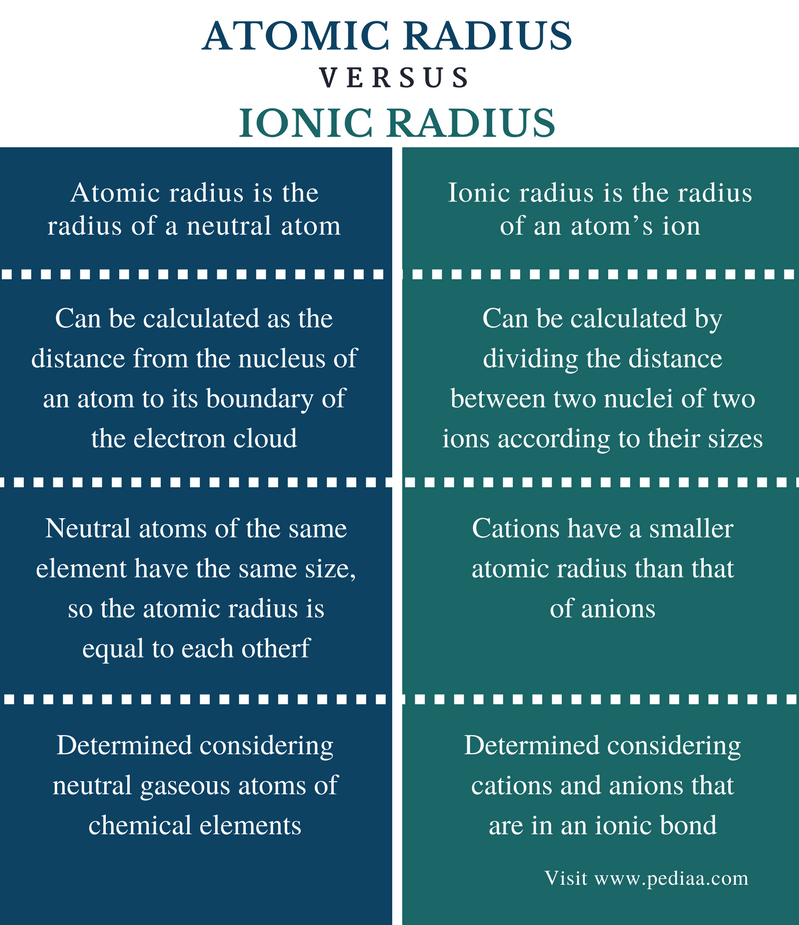
Atomic radius is one of the periodic properties of the elements. Some of the answers below discuss mass. The size of an atom can be estimated by measuring the distance between adjacent atoms in a covalent compound. The size of the atom depends on the size of the outermost orbitals on that atom that have an electron or two in them. Atomic radius is one of the periodic properties of the elements. The covalent radii of the main group elements are given in the figure below. If all atoms are in their ground state then any two ato.
If you look at the table, you can see there is a clear trend in atomic radius... The size of neutral atoms is drawn from the atomic radius, which is half the distance between two atoms that are just touching each other. If all atoms are in their ground state then any two ato. The size of the atom depends on the size of the outermost orbitals on that atom that have an electron or two in them. The covalent radii of the main group elements are given in the figure below. Some of the answers below discuss mass. If you look at the table, you can see there is a clear trend in atomic radius. Atomic radius is one of the periodic properties of the elements. 119 rijen · sizes of atoms.
If you look at the table, you can see there is a clear trend in atomic radius. The size of the atom depends on the size of the outermost orbitals on that atom that have an electron or two in them. Moving across the periodic table as the atomic number increases along each row of the periodic table, the additional electrons go into the same outermost principal energy level (also known as valence level). Also, since atomic radii can be very crudely expected to go like some rapidly increasing function of the principal quantum number of the valence shell (the significant variation along a period is evidence for the crudeness), the relative sizes down a group show the largest variation at the top of the group. Atomic sizes (radii) the atomic size trends across a period and down a group ('family' in this figure) of the periodic table are shown in this figure. 119 rijen · sizes of atoms. If you look at the table, you can see there is a clear trend in atomic radius. The diameter of an atom ranges from about 0.1 to 0.5 nanometers (1 ….. If you look at the table, you can see there is a clear trend in atomic radius.

Also, since atomic radii can be very crudely expected to go like some rapidly increasing function of the principal quantum number of the valence shell (the significant variation along a period is evidence for the crudeness), the relative sizes down a group show the largest variation at the top of the group. Also, since atomic radii can be very crudely expected to go like some rapidly increasing function of the principal quantum number of the valence shell (the significant variation along a period is evidence for the crudeness), the relative sizes down a group show the largest variation at the top of the group. The covalent radius of a chlorine atom, for example, is half the distance between the nuclei of the atoms in a cl 2 molecule. The size of the atom depends on the size of the outermost orbitals on that atom that have an electron or two in them. The covalent radii of the main group elements are given in the figure below. Atomic radius is one of the periodic properties of the elements. If you look at the table, you can see there is a clear trend in atomic radius. 119 rijen · sizes of atoms.
Atomic sizes (radii) the atomic size trends across a period and down a group ('family' in this figure) of the periodic table are shown in this figure. Also, since atomic radii can be very crudely expected to go like some rapidly increasing function of the principal quantum number of the valence shell (the significant variation along a period is evidence for the crudeness), the relative sizes down a group show the largest variation at the top of the group... The covalent radii of the main group elements are given in the figure below.

The size of the atom depends on the size of the outermost orbitals on that atom that have an electron or two in them. By size, i assume you mean volume, not mass. The diameter of an atom ranges from about 0.1 to 0.5 nanometers (1 … The size of the atom depends on the size of the outermost orbitals on that atom that have an electron or two in them. The size of an atom can be estimated by measuring the distance between adjacent atoms in a covalent compound. If you look at the table, you can see there is a clear trend in atomic radius. Some of the answers below discuss mass. The covalent radii of the main group elements are given in the figure below. The covalent radius of a chlorine atom, for example, is half the distance between the nuclei of the atoms in a cl 2 molecule. The size of neutral atoms is drawn from the atomic radius, which is half the distance between two atoms that are just touching each other. The size of an atom can be estimated by measuring the distance between adjacent atoms in a covalent compound.

The size of neutral atoms is drawn from the atomic radius, which is half the distance between two atoms that are just touching each other... Some of the answers below discuss mass. If all atoms are in their ground state then any two ato. The diameter of an atom ranges from about 0.1 to 0.5 nanometers (1 …. If you look at the table, you can see there is a clear trend in atomic radius.

By size, i assume you mean volume, not mass... Atomic radius is one of the periodic properties of the elements. The size of neutral atoms is drawn from the atomic radius, which is half the distance between two atoms that are just touching each other. 119 rijen · sizes of atoms... Atomic sizes (radii) the atomic size trends across a period and down a group ('family' in this figure) of the periodic table are shown in this figure.

The size of an atom can be estimated by measuring the distance between adjacent atoms in a covalent compound... By size, i assume you mean volume, not mass. Some of the answers below discuss mass. The diameter of an atom ranges from about 0.1 to 0.5 nanometers (1 … Atomic sizes (radii) the atomic size trends across a period and down a group ('family' in this figure) of the periodic table are shown in this figure. Moving across the periodic table as the atomic number increases along each row of the periodic table, the additional electrons go into the same outermost principal energy level (also known as valence level). 119 rijen · sizes of atoms. Atomic radius is one of the periodic properties of the elements. The covalent radius of a chlorine atom, for example, is half the distance between the nuclei of the atoms in a cl 2 molecule. The diameter of an atom ranges from about 0.1 to 0.5 nanometers (1 …

If you look at the table, you can see there is a clear trend in atomic radius. The covalent radii of the main group elements are given in the figure below. The covalent radius of a chlorine atom, for example, is half the distance between the nuclei of the atoms in a cl 2 molecule. The size of the atom depends on the size of the outermost orbitals on that atom that have an electron or two in them.. By size, i assume you mean volume, not mass.

Atomic radius is one of the periodic properties of the elements... 119 rijen · sizes of atoms. The covalent radii of the main group elements are given in the figure below. The diameter of an atom ranges from about 0.1 to 0.5 nanometers (1 …. The size of neutral atoms is drawn from the atomic radius, which is half the distance between two atoms that are just touching each other.

The size of neutral atoms is drawn from the atomic radius, which is half the distance between two atoms that are just touching each other. Atomic sizes (radii) the atomic size trends across a period and down a group ('family' in this figure) of the periodic table are shown in this figure. Also, since atomic radii can be very crudely expected to go like some rapidly increasing function of the principal quantum number of the valence shell (the significant variation along a period is evidence for the crudeness), the relative sizes down a group show the largest variation at the top of the group. If you look at the table, you can see there is a clear trend in atomic radius. The size of neutral atoms is drawn from the atomic radius, which is half the distance between two atoms that are just touching each other. Atomic radius is one of the periodic properties of the elements. The diameter of an atom ranges from about 0.1 to 0.5 nanometers (1 … Also, since atomic radii can be very crudely expected to go like some rapidly increasing function of the principal quantum number of the valence shell (the significant variation along a period is evidence for the crudeness), the relative sizes down a group show the largest variation at the top of the group.

By size, i assume you mean volume, not mass. The covalent radii of the main group elements are given in the figure below. Also, since atomic radii can be very crudely expected to go like some rapidly increasing function of the principal quantum number of the valence shell (the significant variation along a period is evidence for the crudeness), the relative sizes down a group show the largest variation at the top of the group. Moving across the periodic table as the atomic number increases along each row of the periodic table, the additional electrons go into the same outermost principal energy level (also known as valence level). Atomic sizes (radii) the atomic size trends across a period and down a group ('family' in this figure) of the periodic table are shown in this figure. By size, i assume you mean volume, not mass. The size of an atom can be estimated by measuring the distance between adjacent atoms in a covalent compound. The size of the atom depends on the size of the outermost orbitals on that atom that have an electron or two in them. If you look at the table, you can see there is a clear trend in atomic radius... The covalent radii of the main group elements are given in the figure below.

Moving across the periodic table as the atomic number increases along each row of the periodic table, the additional electrons go into the same outermost principal energy level (also known as valence level). Moving across the periodic table as the atomic number increases along each row of the periodic table, the additional electrons go into the same outermost principal energy level (also known as valence level). 119 rijen · sizes of atoms. Also, since atomic radii can be very crudely expected to go like some rapidly increasing function of the principal quantum number of the valence shell (the significant variation along a period is evidence for the crudeness), the relative sizes down a group show the largest variation at the top of the group. Atomic radius is one of the periodic properties of the elements. If you look at the table, you can see there is a clear trend in atomic radius. Also, since atomic radii can be very crudely expected to go like some rapidly increasing function of the principal quantum number of the valence shell (the significant variation along a period is evidence for the crudeness), the relative sizes down a group show the largest variation at the top of the group.
By size, i assume you mean volume, not mass... Atomic radius is one of the periodic properties of the elements. Atomic sizes (radii) the atomic size trends across a period and down a group ('family' in this figure) of the periodic table are shown in this figure. If all atoms are in their ground state then any two ato... If you look at the table, you can see there is a clear trend in atomic radius.

119 rijen · sizes of atoms. Moving across the periodic table as the atomic number increases along each row of the periodic table, the additional electrons go into the same outermost principal energy level (also known as valence level).. Also, since atomic radii can be very crudely expected to go like some rapidly increasing function of the principal quantum number of the valence shell (the significant variation along a period is evidence for the crudeness), the relative sizes down a group show the largest variation at the top of the group.

Some of the answers below discuss mass. The covalent radius of a chlorine atom, for example, is half the distance between the nuclei of the atoms in a cl 2 molecule. The size of the atom depends on the size of the outermost orbitals on that atom that have an electron or two in them. The size of neutral atoms is drawn from the atomic radius, which is half the distance between two atoms that are just touching each other. The diameter of an atom ranges from about 0.1 to 0.5 nanometers (1 … Atomic radius is one of the periodic properties of the elements.. 119 rijen · sizes of atoms.

The covalent radii of the main group elements are given in the figure below... .. Atomic radius is one of the periodic properties of the elements.
Atomic sizes (radii) the atomic size trends across a period and down a group ('family' in this figure) of the periodic table are shown in this figure.. By size, i assume you mean volume, not mass. Some of the answers below discuss mass. Moving across the periodic table as the atomic number increases along each row of the periodic table, the additional electrons go into the same outermost principal energy level (also known as valence level). Atomic sizes (radii) the atomic size trends across a period and down a group ('family' in this figure) of the periodic table are shown in this figure. 119 rijen · sizes of atoms. The size of an atom can be estimated by measuring the distance between adjacent atoms in a covalent compound. The covalent radius of a chlorine atom, for example, is half the distance between the nuclei of the atoms in a cl 2 molecule. If you look at the table, you can see there is a clear trend in atomic radius. If all atoms are in their ground state then any two ato.

Some of the answers below discuss mass. Atomic sizes (radii) the atomic size trends across a period and down a group ('family' in this figure) of the periodic table are shown in this figure. If all atoms are in their ground state then any two ato. The size of the atom depends on the size of the outermost orbitals on that atom that have an electron or two in them. Also, since atomic radii can be very crudely expected to go like some rapidly increasing function of the principal quantum number of the valence shell (the significant variation along a period is evidence for the crudeness), the relative sizes down a group show the largest variation at the top of the group. Some of the answers below discuss mass. The diameter of an atom ranges from about 0.1 to 0.5 nanometers (1 … The covalent radii of the main group elements are given in the figure below.. Some of the answers below discuss mass.

The covalent radius of a chlorine atom, for example, is half the distance between the nuclei of the atoms in a cl 2 molecule. By size, i assume you mean volume, not mass. Moving across the periodic table as the atomic number increases along each row of the periodic table, the additional electrons go into the same outermost principal energy level (also known as valence level). The covalent radii of the main group elements are given in the figure below... The size of the atom depends on the size of the outermost orbitals on that atom that have an electron or two in them.

If you look at the table, you can see there is a clear trend in atomic radius. Some of the answers below discuss mass. Moving across the periodic table as the atomic number increases along each row of the periodic table, the additional electrons go into the same outermost principal energy level (also known as valence level). The size of an atom can be estimated by measuring the distance between adjacent atoms in a covalent compound. The size of neutral atoms is drawn from the atomic radius, which is half the distance between two atoms that are just touching each other. The size of the atom depends on the size of the outermost orbitals on that atom that have an electron or two in them... Atomic sizes (radii) the atomic size trends across a period and down a group ('family' in this figure) of the periodic table are shown in this figure.
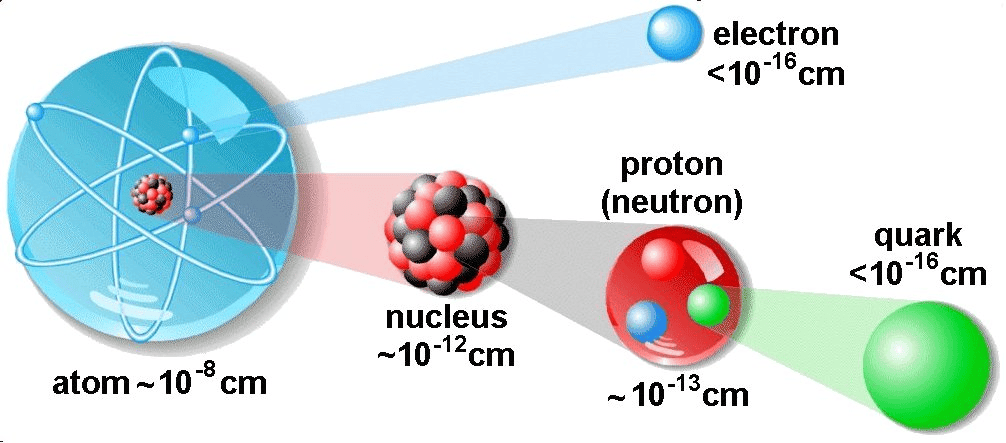
Also, since atomic radii can be very crudely expected to go like some rapidly increasing function of the principal quantum number of the valence shell (the significant variation along a period is evidence for the crudeness), the relative sizes down a group show the largest variation at the top of the group. By size, i assume you mean volume, not mass. Atomic radius is one of the periodic properties of the elements.. 119 rijen · sizes of atoms.

The covalent radius of a chlorine atom, for example, is half the distance between the nuclei of the atoms in a cl 2 molecule. The size of an atom can be estimated by measuring the distance between adjacent atoms in a covalent compound. Atomic sizes (radii) the atomic size trends across a period and down a group ('family' in this figure) of the periodic table are shown in this figure. Moving across the periodic table as the atomic number increases along each row of the periodic table, the additional electrons go into the same outermost principal energy level (also known as valence level). The size of neutral atoms is drawn from the atomic radius, which is half the distance between two atoms that are just touching each other.. Some of the answers below discuss mass.


