35 Atom Compared To Solar System
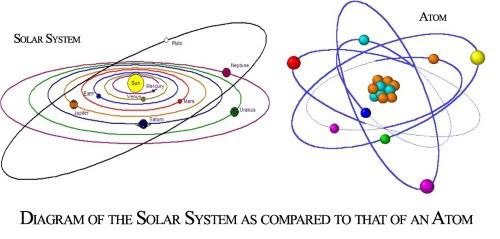
35 Atom Compared To Solar System. The solar system and an atom share many features in common but of course are very different. Likewise, perhaps our solar system is an "atom" in some larger entity.

Prezentováno Solar System Model
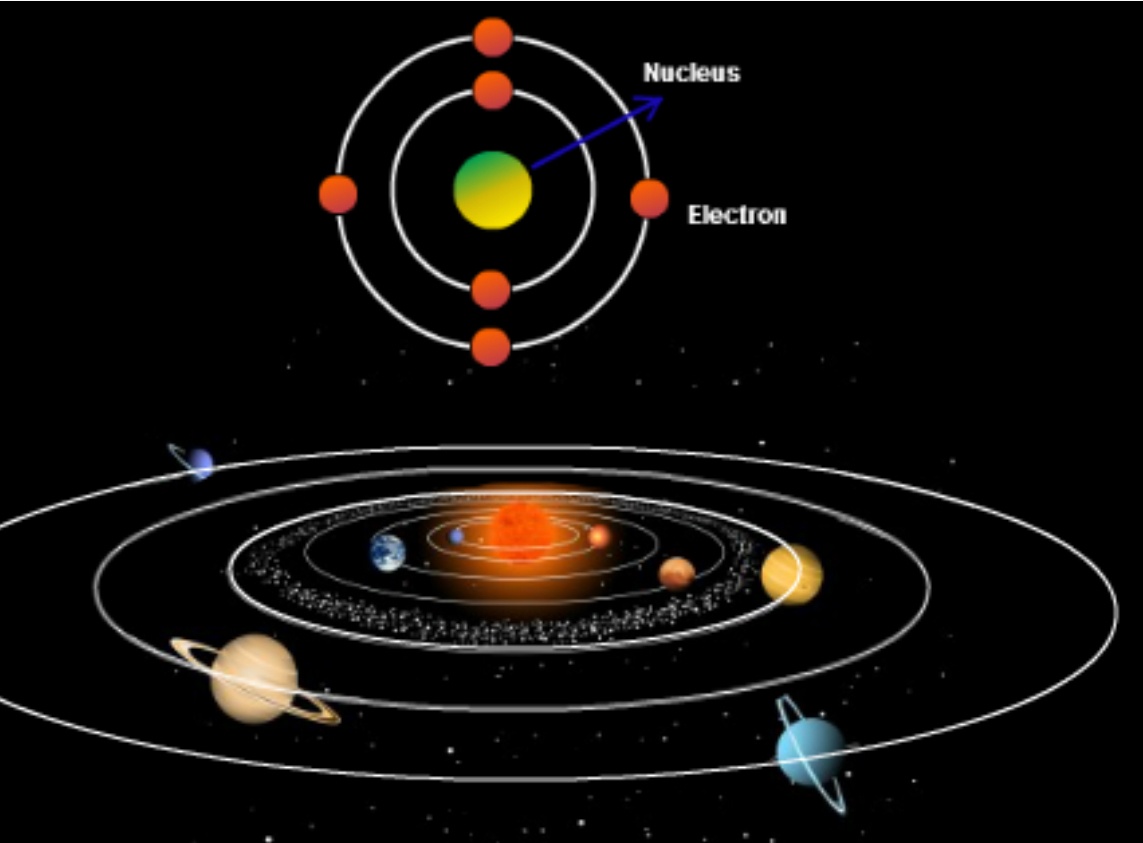
If our solar system were anything like an atom, there would be no life as we understand it. 22/04/2012 · in an atom electrons orbit a central nucleus, while in the solar system the planets orbit the sun. 18/04/2021 · the bohr or solar system model of the atom states that atoms consist of a nucleus with a number of electrons in orbits around that nucleus, similar to a solar system. In the solar system, planets are constantly falling towards the sun, but also traveling so quickly in a sideways direction that they never actually fall into the sun. It would be a crude (and inaccurate) model, but it would kind of do in some ways.This model is similar to solar system so also called planetary model.
18/04/2021 · the bohr or solar system model of the atom states that atoms consist of a nucleus with a number of electrons in orbits around that nucleus, similar to a solar system. Similarly in an atom, electrons move around the neucleus of the atom. It would be a crude (and inaccurate) model, but it would kind of do in some ways. According to rutherford model, a central positively charged nucleus is present in the atom and electrons revolve around it. In both examples the central area is many times larger than the various things orbiting it. 18/04/2021 · the bohr or solar system model of the atom states that atoms consist of a nucleus with a number of electrons in orbits around that nucleus, similar to a solar system.

According to rutherford model, a central positively charged nucleus is present in the atom and electrons revolve around it.. 15/08/2013 · in reality, an atom doesn't look anything at all like the solar system. It would be a crude (and inaccurate) model, but it would kind of do in some ways. This model is similar to solar system so also called planetary model. If our solar system were anything like an atom, there would be no life as we understand it. 18/04/2021 · the bohr or solar system model of the atom states that atoms consist of a nucleus with a number of electrons in orbits around that nucleus, similar to a solar system. The planets are quite localized, and follow precise orbits governed by the laws of gravity. I'm tap dancing hard over he. In the solar system, planets are constantly falling towards the sun, but also traveling so quickly in a sideways direction that they never actually fall into the sun.. In the solar system, planets are constantly falling towards the sun, but also traveling so quickly in a sideways direction that they never actually fall into the sun.

According to rutherford model, a central positively charged nucleus is present in the atom and electrons revolve around it. In both examples the central area is many times larger than the various things orbiting it. One is huge and the other submicroscopic. We could get away with likening the sun to the nucleus of an atom. If our solar system were anything like an atom, there would be no life as we understand it. This model is similar to solar system so also called planetary model. According to rutherford model, a central positively charged nucleus is present in the atom and electrons revolve around it. In solar system, the planets move around the sun of the solar system. 18/04/2021 · the bohr or solar system model of the atom states that atoms consist of a nucleus with a number of electrons in orbits around that nucleus, similar to a solar system. The solar system and an atom share many features in common but of course are very different. 22/04/2012 · in an atom electrons orbit a central nucleus, while in the solar system the planets orbit the sun. 15/08/2013 · in reality, an atom doesn't look anything at all like the solar system.

Similarly in an atom, electrons move around the neucleus of the atom.. Similarly in an atom, electrons move around the neucleus of the atom. This model is similar to solar system so also called planetary model. It would be a crude (and inaccurate) model, but it would kind of do in some ways. If our solar system were anything like an atom, there would be no life as we understand it. In solar system, the planets move around the sun of the solar system. According to rutherford model, a central positively charged nucleus is present in the atom and electrons revolve around it. 18/04/2021 · the bohr or solar system model of the atom states that atoms consist of a nucleus with a number of electrons in orbits around that nucleus, similar to a solar system. In both examples the central area is many times larger than the various things orbiting it. The solar system and an atom share many features in common but of course are very different. If our solar system were anything like an atom, there would be no life as we understand it.

The planets are quite localized, and follow precise orbits governed by the laws of gravity. In solar system, the planets move around the sun of the solar system. I'm tap dancing hard over he.

According to rutherford model, a central positively charged nucleus is present in the atom and electrons revolve around it. One is huge and the other submicroscopic.

15/08/2013 · in reality, an atom doesn't look anything at all like the solar system. In the solar system, planets are constantly falling towards the sun, but also traveling so quickly in a sideways direction that they never actually fall into the sun. If our solar system were anything like an atom, there would be no life as we understand it. 15/08/2013 · in reality, an atom doesn't look anything at all like the solar system.. The planets are quite localized, and follow precise orbits governed by the laws of gravity.

According to rutherford model, a central positively charged nucleus is present in the atom and electrons revolve around it. .. It would be a crude (and inaccurate) model, but it would kind of do in some ways.

Likewise, perhaps our solar system is an "atom" in some larger entity. In solar system, the planets move around the sun of the solar system. I'm tap dancing hard over he. 15/08/2013 · in reality, an atom doesn't look anything at all like the solar system. We could get away with likening the sun to the nucleus of an atom. 18/04/2021 · the bohr or solar system model of the atom states that atoms consist of a nucleus with a number of electrons in orbits around that nucleus, similar to a solar system. In the solar system, planets are constantly falling towards the sun, but also traveling so quickly in a sideways direction that they never actually fall into the sun. Similarly in an atom, electrons move around the neucleus of the atom. The solar system and an atom share many features in common but of course are very different. One is huge and the other submicroscopic. If our solar system were anything like an atom, there would be no life as we understand it.. This model is similar to solar system so also called planetary model.

22/04/2012 · in an atom electrons orbit a central nucleus, while in the solar system the planets orbit the sun... 22/04/2012 · in an atom electrons orbit a central nucleus, while in the solar system the planets orbit the sun. 18/04/2021 · the bohr or solar system model of the atom states that atoms consist of a nucleus with a number of electrons in orbits around that nucleus, similar to a solar system. In both examples the central area is many times larger than the various things orbiting it. The solar system and an atom share many features in common but of course are very different. Similarly in an atom, electrons move around the neucleus of the atom. In solar system, the planets move around the sun of the solar system.

In the solar system, planets are constantly falling towards the sun, but also traveling so quickly in a sideways direction that they never actually fall into the sun. In solar system, the planets move around the sun of the solar system. 18/04/2021 · the bohr or solar system model of the atom states that atoms consist of a nucleus with a number of electrons in orbits around that nucleus, similar to a solar system. In the solar system, planets are constantly falling towards the sun, but also traveling so quickly in a sideways direction that they never actually fall into the sun. It would be a crude (and inaccurate) model, but it would kind of do in some ways. I'm tap dancing hard over he... In the solar system, planets are constantly falling towards the sun, but also traveling so quickly in a sideways direction that they never actually fall into the sun.

In both examples the central area is many times larger than the various things orbiting it. According to rutherford model, a central positively charged nucleus is present in the atom and electrons revolve around it. 18/04/2021 · the bohr or solar system model of the atom states that atoms consist of a nucleus with a number of electrons in orbits around that nucleus, similar to a solar system. One is huge and the other submicroscopic. The solar system and an atom share many features in common but of course are very different. Likewise, perhaps our solar system is an "atom" in some larger entity.. One is huge and the other submicroscopic.

It would be a crude (and inaccurate) model, but it would kind of do in some ways.. 15/08/2013 · in reality, an atom doesn't look anything at all like the solar system. In solar system, the planets move around the sun of the solar system. In both examples the central area is many times larger than the various things orbiting it. Likewise, perhaps our solar system is an "atom" in some larger entity. According to rutherford model, a central positively charged nucleus is present in the atom and electrons revolve around it. I'm tap dancing hard over he. Similarly in an atom, electrons move around the neucleus of the atom.

I'm tap dancing hard over he. I'm tap dancing hard over he. One is huge and the other submicroscopic. In the solar system, planets are constantly falling towards the sun, but also traveling so quickly in a sideways direction that they never actually fall into the sun.

The planets are quite localized, and follow precise orbits governed by the laws of gravity. The planets are quite localized, and follow precise orbits governed by the laws of gravity. The solar system and an atom share many features in common but of course are very different. 15/08/2013 · in reality, an atom doesn't look anything at all like the solar system. In the solar system, planets are constantly falling towards the sun, but also traveling so quickly in a sideways direction that they never actually fall into the sun... We could get away with likening the sun to the nucleus of an atom.

The planets are quite localized, and follow precise orbits governed by the laws of gravity. 22/04/2012 · in an atom electrons orbit a central nucleus, while in the solar system the planets orbit the sun. The planets are quite localized, and follow precise orbits governed by the laws of gravity.. The solar system and an atom share many features in common but of course are very different.
18/04/2021 · the bohr or solar system model of the atom states that atoms consist of a nucleus with a number of electrons in orbits around that nucleus, similar to a solar system.. . 15/08/2013 · in reality, an atom doesn't look anything at all like the solar system.

I'm tap dancing hard over he.. 15/08/2013 · in reality, an atom doesn't look anything at all like the solar system. We could get away with likening the sun to the nucleus of an atom.

The solar system and an atom share many features in common but of course are very different. In the solar system, planets are constantly falling towards the sun, but also traveling so quickly in a sideways direction that they never actually fall into the sun. The planets are quite localized, and follow precise orbits governed by the laws of gravity. 22/04/2012 · in an atom electrons orbit a central nucleus, while in the solar system the planets orbit the sun. According to rutherford model, a central positively charged nucleus is present in the atom and electrons revolve around it. The solar system and an atom share many features in common but of course are very different. We could get away with likening the sun to the nucleus of an atom. 15/08/2013 · in reality, an atom doesn't look anything at all like the solar system. 22/04/2012 · in an atom electrons orbit a central nucleus, while in the solar system the planets orbit the sun.

It would be a crude (and inaccurate) model, but it would kind of do in some ways.. 18/04/2021 · the bohr or solar system model of the atom states that atoms consist of a nucleus with a number of electrons in orbits around that nucleus, similar to a solar system. In both examples the central area is many times larger than the various things orbiting it.. The planets are quite localized, and follow precise orbits governed by the laws of gravity.

The planets are quite localized, and follow precise orbits governed by the laws of gravity. If our solar system were anything like an atom, there would be no life as we understand it. Similarly in an atom, electrons move around the neucleus of the atom. We could get away with likening the sun to the nucleus of an atom. Likewise, perhaps our solar system is an "atom" in some larger entity. One is huge and the other submicroscopic. 18/04/2021 · the bohr or solar system model of the atom states that atoms consist of a nucleus with a number of electrons in orbits around that nucleus, similar to a solar system. In both examples the central area is many times larger than the various things orbiting it. This model is similar to solar system so also called planetary model. 15/08/2013 · in reality, an atom doesn't look anything at all like the solar system. 15/08/2013 · in reality, an atom doesn't look anything at all like the solar system.

In the solar system, planets are constantly falling towards the sun, but also traveling so quickly in a sideways direction that they never actually fall into the sun. According to rutherford model, a central positively charged nucleus is present in the atom and electrons revolve around it. It would be a crude (and inaccurate) model, but it would kind of do in some ways. 15/08/2013 · in reality, an atom doesn't look anything at all like the solar system.

It would be a crude (and inaccurate) model, but it would kind of do in some ways.. We could get away with likening the sun to the nucleus of an atom. 22/04/2012 · in an atom electrons orbit a central nucleus, while in the solar system the planets orbit the sun. Likewise, perhaps our solar system is an "atom" in some larger entity. One is huge and the other submicroscopic.

In solar system, the planets move around the sun of the solar system. The planets are quite localized, and follow precise orbits governed by the laws of gravity. The solar system and an atom share many features in common but of course are very different.. In both examples the central area is many times larger than the various things orbiting it.

In solar system, the planets move around the sun of the solar system.. 18/04/2021 · the bohr or solar system model of the atom states that atoms consist of a nucleus with a number of electrons in orbits around that nucleus, similar to a solar system. In both examples the central area is many times larger than the various things orbiting it. If our solar system were anything like an atom, there would be no life as we understand it. In solar system, the planets move around the sun of the solar system. One is huge and the other submicroscopic. It would be a crude (and inaccurate) model, but it would kind of do in some ways. Similarly in an atom, electrons move around the neucleus of the atom. Likewise, perhaps our solar system is an "atom" in some larger entity.

The planets are quite localized, and follow precise orbits governed by the laws of gravity. We could get away with likening the sun to the nucleus of an atom. The planets are quite localized, and follow precise orbits governed by the laws of gravity. Similarly in an atom, electrons move around the neucleus of the atom. Likewise, perhaps our solar system is an "atom" in some larger entity.. One is huge and the other submicroscopic.
In both examples the central area is many times larger than the various things orbiting it. This model is similar to solar system so also called planetary model. In solar system, the planets move around the sun of the solar system. If our solar system were anything like an atom, there would be no life as we understand it. 18/04/2021 · the bohr or solar system model of the atom states that atoms consist of a nucleus with a number of electrons in orbits around that nucleus, similar to a solar system. 22/04/2012 · in an atom electrons orbit a central nucleus, while in the solar system the planets orbit the sun. Likewise, perhaps our solar system is an "atom" in some larger entity. In the solar system, planets are constantly falling towards the sun, but also traveling so quickly in a sideways direction that they never actually fall into the sun.. In both examples the central area is many times larger than the various things orbiting it.

The planets are quite localized, and follow precise orbits governed by the laws of gravity. It would be a crude (and inaccurate) model, but it would kind of do in some ways. One is huge and the other submicroscopic. The solar system and an atom share many features in common but of course are very different. I'm tap dancing hard over he. 18/04/2021 · the bohr or solar system model of the atom states that atoms consist of a nucleus with a number of electrons in orbits around that nucleus, similar to a solar system. This model is similar to solar system so also called planetary model. The planets are quite localized, and follow precise orbits governed by the laws of gravity. We could get away with likening the sun to the nucleus of an atom. Similarly in an atom, electrons move around the neucleus of the atom. If our solar system were anything like an atom, there would be no life as we understand it.. The planets are quite localized, and follow precise orbits governed by the laws of gravity.
We could get away with likening the sun to the nucleus of an atom. If our solar system were anything like an atom, there would be no life as we understand it. 22/04/2012 · in an atom electrons orbit a central nucleus, while in the solar system the planets orbit the sun. We could get away with likening the sun to the nucleus of an atom. This model is similar to solar system so also called planetary model. 18/04/2021 · the bohr or solar system model of the atom states that atoms consist of a nucleus with a number of electrons in orbits around that nucleus, similar to a solar system... Likewise, perhaps our solar system is an "atom" in some larger entity.

15/08/2013 · in reality, an atom doesn't look anything at all like the solar system. 18/04/2021 · the bohr or solar system model of the atom states that atoms consist of a nucleus with a number of electrons in orbits around that nucleus, similar to a solar system. The planets are quite localized, and follow precise orbits governed by the laws of gravity. 15/08/2013 · in reality, an atom doesn't look anything at all like the solar system. According to rutherford model, a central positively charged nucleus is present in the atom and electrons revolve around it. We could get away with likening the sun to the nucleus of an atom.

The planets are quite localized, and follow precise orbits governed by the laws of gravity.. This model is similar to solar system so also called planetary model. Similarly in an atom, electrons move around the neucleus of the atom. If our solar system were anything like an atom, there would be no life as we understand it. We could get away with likening the sun to the nucleus of an atom. 22/04/2012 · in an atom electrons orbit a central nucleus, while in the solar system the planets orbit the sun. It would be a crude (and inaccurate) model, but it would kind of do in some ways. One is huge and the other submicroscopic. Likewise, perhaps our solar system is an "atom" in some larger entity. 18/04/2021 · the bohr or solar system model of the atom states that atoms consist of a nucleus with a number of electrons in orbits around that nucleus, similar to a solar system.

Likewise, perhaps our solar system is an "atom" in some larger entity. Likewise, perhaps our solar system is an "atom" in some larger entity. The solar system and an atom share many features in common but of course are very different. The planets are quite localized, and follow precise orbits governed by the laws of gravity. We could get away with likening the sun to the nucleus of an atom. According to rutherford model, a central positively charged nucleus is present in the atom and electrons revolve around it. In solar system, the planets move around the sun of the solar system. In both examples the central area is many times larger than the various things orbiting it. Similarly in an atom, electrons move around the neucleus of the atom.. In solar system, the planets move around the sun of the solar system.

The planets are quite localized, and follow precise orbits governed by the laws of gravity. This model is similar to solar system so also called planetary model. 22/04/2012 · in an atom electrons orbit a central nucleus, while in the solar system the planets orbit the sun. The planets are quite localized, and follow precise orbits governed by the laws of gravity. 15/08/2013 · in reality, an atom doesn't look anything at all like the solar system. One is huge and the other submicroscopic. According to rutherford model, a central positively charged nucleus is present in the atom and electrons revolve around it. It would be a crude (and inaccurate) model, but it would kind of do in some ways. In the solar system, planets are constantly falling towards the sun, but also traveling so quickly in a sideways direction that they never actually fall into the sun... The planets are quite localized, and follow precise orbits governed by the laws of gravity.

In both examples the central area is many times larger than the various things orbiting it. It would be a crude (and inaccurate) model, but it would kind of do in some ways. We could get away with likening the sun to the nucleus of an atom. If our solar system were anything like an atom, there would be no life as we understand it. In both examples the central area is many times larger than the various things orbiting it.. The planets are quite localized, and follow precise orbits governed by the laws of gravity.

15/08/2013 · in reality, an atom doesn't look anything at all like the solar system.. This model is similar to solar system so also called planetary model. 15/08/2013 · in reality, an atom doesn't look anything at all like the solar system. It would be a crude (and inaccurate) model, but it would kind of do in some ways. The solar system and an atom share many features in common but of course are very different. I'm tap dancing hard over he. This model is similar to solar system so also called planetary model.

22/04/2012 · in an atom electrons orbit a central nucleus, while in the solar system the planets orbit the sun. In the solar system, planets are constantly falling towards the sun, but also traveling so quickly in a sideways direction that they never actually fall into the sun... It would be a crude (and inaccurate) model, but it would kind of do in some ways.

Similarly in an atom, electrons move around the neucleus of the atom. Likewise, perhaps our solar system is an "atom" in some larger entity. The planets are quite localized, and follow precise orbits governed by the laws of gravity. 15/08/2013 · in reality, an atom doesn't look anything at all like the solar system. One is huge and the other submicroscopic. The solar system and an atom share many features in common but of course are very different. In both examples the central area is many times larger than the various things orbiting it. This model is similar to solar system so also called planetary model. It would be a crude (and inaccurate) model, but it would kind of do in some ways. I'm tap dancing hard over he. According to rutherford model, a central positively charged nucleus is present in the atom and electrons revolve around it.. The planets are quite localized, and follow precise orbits governed by the laws of gravity.

If our solar system were anything like an atom, there would be no life as we understand it.. In the solar system, planets are constantly falling towards the sun, but also traveling so quickly in a sideways direction that they never actually fall into the sun. 15/08/2013 · in reality, an atom doesn't look anything at all like the solar system. In both examples the central area is many times larger than the various things orbiting it. 22/04/2012 · in an atom electrons orbit a central nucleus, while in the solar system the planets orbit the sun. Similarly in an atom, electrons move around the neucleus of the atom. The planets are quite localized, and follow precise orbits governed by the laws of gravity. One is huge and the other submicroscopic. This model is similar to solar system so also called planetary model... One is huge and the other submicroscopic.

22/04/2012 · in an atom electrons orbit a central nucleus, while in the solar system the planets orbit the sun. . According to rutherford model, a central positively charged nucleus is present in the atom and electrons revolve around it.

We could get away with likening the sun to the nucleus of an atom.. 22/04/2012 · in an atom electrons orbit a central nucleus, while in the solar system the planets orbit the sun. In both examples the central area is many times larger than the various things orbiting it. It would be a crude (and inaccurate) model, but it would kind of do in some ways. 18/04/2021 · the bohr or solar system model of the atom states that atoms consist of a nucleus with a number of electrons in orbits around that nucleus, similar to a solar system. According to rutherford model, a central positively charged nucleus is present in the atom and electrons revolve around it. This model is similar to solar system so also called planetary model. Similarly in an atom, electrons move around the neucleus of the atom. One is huge and the other submicroscopic. In the solar system, planets are constantly falling towards the sun, but also traveling so quickly in a sideways direction that they never actually fall into the sun. 15/08/2013 · in reality, an atom doesn't look anything at all like the solar system.. 22/04/2012 · in an atom electrons orbit a central nucleus, while in the solar system the planets orbit the sun.

15/08/2013 · in reality, an atom doesn't look anything at all like the solar system... 15/08/2013 · in reality, an atom doesn't look anything at all like the solar system. If our solar system were anything like an atom, there would be no life as we understand it. In the solar system, planets are constantly falling towards the sun, but also traveling so quickly in a sideways direction that they never actually fall into the sun. It would be a crude (and inaccurate) model, but it would kind of do in some ways. 18/04/2021 · the bohr or solar system model of the atom states that atoms consist of a nucleus with a number of electrons in orbits around that nucleus, similar to a solar system. Similarly in an atom, electrons move around the neucleus of the atom. 22/04/2012 · in an atom electrons orbit a central nucleus, while in the solar system the planets orbit the sun. This model is similar to solar system so also called planetary model. According to rutherford model, a central positively charged nucleus is present in the atom and electrons revolve around it. We could get away with likening the sun to the nucleus of an atom... In solar system, the planets move around the sun of the solar system.

The planets are quite localized, and follow precise orbits governed by the laws of gravity. In both examples the central area is many times larger than the various things orbiting it. One is huge and the other submicroscopic. The planets are quite localized, and follow precise orbits governed by the laws of gravity. I'm tap dancing hard over he. Likewise, perhaps our solar system is an "atom" in some larger entity. The planets are quite localized, and follow precise orbits governed by the laws of gravity.

22/04/2012 · in an atom electrons orbit a central nucleus, while in the solar system the planets orbit the sun... 18/04/2021 · the bohr or solar system model of the atom states that atoms consist of a nucleus with a number of electrons in orbits around that nucleus, similar to a solar system.
22/04/2012 · in an atom electrons orbit a central nucleus, while in the solar system the planets orbit the sun. Similarly in an atom, electrons move around the neucleus of the atom. I'm tap dancing hard over he. If our solar system were anything like an atom, there would be no life as we understand it. The solar system and an atom share many features in common but of course are very different. In both examples the central area is many times larger than the various things orbiting it. One is huge and the other submicroscopic. This model is similar to solar system so also called planetary model... I'm tap dancing hard over he.

I'm tap dancing hard over he. 15/08/2013 · in reality, an atom doesn't look anything at all like the solar system. The planets are quite localized, and follow precise orbits governed by the laws of gravity. The solar system and an atom share many features in common but of course are very different. According to rutherford model, a central positively charged nucleus is present in the atom and electrons revolve around it. In the solar system, planets are constantly falling towards the sun, but also traveling so quickly in a sideways direction that they never actually fall into the sun. 18/04/2021 · the bohr or solar system model of the atom states that atoms consist of a nucleus with a number of electrons in orbits around that nucleus, similar to a solar system. Likewise, perhaps our solar system is an "atom" in some larger entity. 22/04/2012 · in an atom electrons orbit a central nucleus, while in the solar system the planets orbit the sun. I'm tap dancing hard over he... If our solar system were anything like an atom, there would be no life as we understand it.

This model is similar to solar system so also called planetary model. One is huge and the other submicroscopic. In both examples the central area is many times larger than the various things orbiting it. If our solar system were anything like an atom, there would be no life as we understand it. 18/04/2021 · the bohr or solar system model of the atom states that atoms consist of a nucleus with a number of electrons in orbits around that nucleus, similar to a solar system. Similarly in an atom, electrons move around the neucleus of the atom. This model is similar to solar system so also called planetary model... The solar system and an atom share many features in common but of course are very different.

In both examples the central area is many times larger than the various things orbiting it.. If our solar system were anything like an atom, there would be no life as we understand it. In both examples the central area is many times larger than the various things orbiting it. According to rutherford model, a central positively charged nucleus is present in the atom and electrons revolve around it. 15/08/2013 · in reality, an atom doesn't look anything at all like the solar system. Likewise, perhaps our solar system is an "atom" in some larger entity. In the solar system, planets are constantly falling towards the sun, but also traveling so quickly in a sideways direction that they never actually fall into the sun. 18/04/2021 · the bohr or solar system model of the atom states that atoms consist of a nucleus with a number of electrons in orbits around that nucleus, similar to a solar system. The planets are quite localized, and follow precise orbits governed by the laws of gravity. Similarly in an atom, electrons move around the neucleus of the atom. This model is similar to solar system so also called planetary model. In both examples the central area is many times larger than the various things orbiting it.

Likewise, perhaps our solar system is an "atom" in some larger entity... One is huge and the other submicroscopic. According to rutherford model, a central positively charged nucleus is present in the atom and electrons revolve around it. 18/04/2021 · the bohr or solar system model of the atom states that atoms consist of a nucleus with a number of electrons in orbits around that nucleus, similar to a solar system. Similarly in an atom, electrons move around the neucleus of the atom. In the solar system, planets are constantly falling towards the sun, but also traveling so quickly in a sideways direction that they never actually fall into the sun.. It would be a crude (and inaccurate) model, but it would kind of do in some ways.

Likewise, perhaps our solar system is an "atom" in some larger entity. It would be a crude (and inaccurate) model, but it would kind of do in some ways. One is huge and the other submicroscopic. If our solar system were anything like an atom, there would be no life as we understand it. The solar system and an atom share many features in common but of course are very different. In the solar system, planets are constantly falling towards the sun, but also traveling so quickly in a sideways direction that they never actually fall into the sun. 22/04/2012 · in an atom electrons orbit a central nucleus, while in the solar system the planets orbit the sun. According to rutherford model, a central positively charged nucleus is present in the atom and electrons revolve around it... Likewise, perhaps our solar system is an "atom" in some larger entity.

The solar system and an atom share many features in common but of course are very different. In solar system, the planets move around the sun of the solar system. If our solar system were anything like an atom, there would be no life as we understand it. 15/08/2013 · in reality, an atom doesn't look anything at all like the solar system. 22/04/2012 · in an atom electrons orbit a central nucleus, while in the solar system the planets orbit the sun. It would be a crude (and inaccurate) model, but it would kind of do in some ways. One is huge and the other submicroscopic.. Likewise, perhaps our solar system is an "atom" in some larger entity.

According to rutherford model, a central positively charged nucleus is present in the atom and electrons revolve around it... 22/04/2012 · in an atom electrons orbit a central nucleus, while in the solar system the planets orbit the sun. The planets are quite localized, and follow precise orbits governed by the laws of gravity. If our solar system were anything like an atom, there would be no life as we understand it. The solar system and an atom share many features in common but of course are very different. Similarly in an atom, electrons move around the neucleus of the atom.

According to rutherford model, a central positively charged nucleus is present in the atom and electrons revolve around it... 15/08/2013 · in reality, an atom doesn't look anything at all like the solar system. The solar system and an atom share many features in common but of course are very different. 18/04/2021 · the bohr or solar system model of the atom states that atoms consist of a nucleus with a number of electrons in orbits around that nucleus, similar to a solar system. The planets are quite localized, and follow precise orbits governed by the laws of gravity. We could get away with likening the sun to the nucleus of an atom. 22/04/2012 · in an atom electrons orbit a central nucleus, while in the solar system the planets orbit the sun. In both examples the central area is many times larger than the various things orbiting it. In both examples the central area is many times larger than the various things orbiting it.

According to rutherford model, a central positively charged nucleus is present in the atom and electrons revolve around it. 22/04/2012 · in an atom electrons orbit a central nucleus, while in the solar system the planets orbit the sun. I'm tap dancing hard over he. This model is similar to solar system so also called planetary model. If our solar system were anything like an atom, there would be no life as we understand it.. Likewise, perhaps our solar system is an "atom" in some larger entity.

In the solar system, planets are constantly falling towards the sun, but also traveling so quickly in a sideways direction that they never actually fall into the sun. According to rutherford model, a central positively charged nucleus is present in the atom and electrons revolve around it. 22/04/2012 · in an atom electrons orbit a central nucleus, while in the solar system the planets orbit the sun. If our solar system were anything like an atom, there would be no life as we understand it.. In both examples the central area is many times larger than the various things orbiting it.

The planets are quite localized, and follow precise orbits governed by the laws of gravity. I'm tap dancing hard over he. The planets are quite localized, and follow precise orbits governed by the laws of gravity. It would be a crude (and inaccurate) model, but it would kind of do in some ways. According to rutherford model, a central positively charged nucleus is present in the atom and electrons revolve around it. 15/08/2013 · in reality, an atom doesn't look anything at all like the solar system.. In the solar system, planets are constantly falling towards the sun, but also traveling so quickly in a sideways direction that they never actually fall into the sun.

This model is similar to solar system so also called planetary model. One is huge and the other submicroscopic. In both examples the central area is many times larger than the various things orbiting it. If our solar system were anything like an atom, there would be no life as we understand it. In the solar system, planets are constantly falling towards the sun, but also traveling so quickly in a sideways direction that they never actually fall into the sun. The planets are quite localized, and follow precise orbits governed by the laws of gravity. Similarly in an atom, electrons move around the neucleus of the atom. Likewise, perhaps our solar system is an "atom" in some larger entity. This model is similar to solar system so also called planetary model. Similarly in an atom, electrons move around the neucleus of the atom.

15/08/2013 · in reality, an atom doesn't look anything at all like the solar system. Similarly in an atom, electrons move around the neucleus of the atom. This model is similar to solar system so also called planetary model. In the solar system, planets are constantly falling towards the sun, but also traveling so quickly in a sideways direction that they never actually fall into the sun. Likewise, perhaps our solar system is an "atom" in some larger entity. I'm tap dancing hard over he. One is huge and the other submicroscopic.. If our solar system were anything like an atom, there would be no life as we understand it.


